
What Do Plumbers Do? This question is important for homeowners, property managers, and business owners. Plumbers are skilled professionals who install, repair, and maintain plumbing systems. They help buildings receive clean water and remove wastewater safely.
Every home depends on a properly working plumbing system. Kitchens, bathrooms, laundry rooms, and outdoor areas need reliable water connections. However, pipes and fixtures can develop problems over time. These problems may include leaks, blockages, damaged connections, and low water pressure.
Professional plumbers help identify and solve these problems. They also install new plumbing equipment during construction and renovation projects. Furthermore, they perform inspections to prevent expensive repairs.
Understanding What Do Plumbers Do helps property owners make better decisions. It also explains when professional plumbing assistance becomes necessary.
In this comprehensive guide, you will discover plumbing responsibilities, services, tools, qualifications, and costs. You will also learn how to choose a reliable plumbing company in the United States.
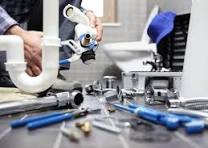
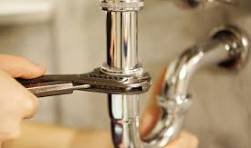
What Do Plumbers Do in Residential and Commercial Properties?
What Do Plumbers Do in different buildings? Their primary responsibility involves maintaining water supply and drainage systems. However, their work covers many additional activities.What Do Plumbers Do
Plumbers install pipes that deliver clean water throughout buildings. They also maintain drainage systems that carry wastewater away. Additionally, they connect different plumbing fixtures and appliances.
Their responsibilities depend on the building and project requirements. Residential plumbers usually handle household plumbing problems. Commercial plumbers work with larger systems and business facilities.
Some common plumbing responsibilities include:
- Installing new water supply pipes.
- Repairing damaged plumbing connections.
- Replacing leaking faucets and fixtures.
- Installing toilets and bathroom equipment.
- Cleaning blocked kitchen and bathroom drains.
- Repairing water heaters.
- Inspecting sewer connections.
- Detecting hidden water leaks.
- Testing water pressure.
- Maintaining drainage systems.
- Installing plumbing appliances.
- Replacing damaged pipes.
Moreover, plumbers follow applicable building codes and safety requirements. They also recommend suitable solutions for different plumbing problems.What Do Plumbers Do
Table of Contents
What Do Plumbers Do? 12 Essential Plumbing Responsibilities
Plumbing involves several technical activities. Each responsibility requires appropriate knowledge, equipment, and practical experience.
1. Installing Water Supply Systems
Installing water supply systems is one of the most important plumbing responsibilities.
Buildings need pipes that deliver clean water to different fixtures. These fixtures include sinks, showers, toilets, and appliances.
Plumbers measure and cut pipes according to project requirements. They connect fittings, valves, and other plumbing components.
They also check connections for leaks. Proper installation helps maintain reliable water distribution.
New construction projects require careful plumbing planning. Incorrect pipe placement may create expensive problems later.
Therefore, experienced plumbers play an important role during construction.What Do Plumbers Do
2. Repairing Leaking Pipes
Leaking pipes are common problems in residential and commercial properties.
Small leaks may appear around pipe joints and connections. However, damaged pipes can also leak behind walls or beneath floors.
Plumbers inspect the affected area and identify the source. They determine whether the pipe needs repair or replacement.
Sometimes, replacing a damaged section solves the problem. Other situations require new fittings or connections.
Ignoring leaks can cause several problems:
- Higher water bills.
- Damaged walls and ceilings.
- Mold growth.
- Damaged flooring.
- Structural deterioration.
- Unpleasant indoor odors.
Professional repairs help prevent further water damage.
3. Cleaning Blocked Drains
Blocked drains can interrupt normal household activities. Kitchen sinks, bathroom drains, and shower outlets commonly experience blockages.
Grease, food particles, hair, and soap residue can accumulate inside pipes.
Plumbers inspect the drainage system to identify the blockage. They use suitable tools to remove accumulated materials.
A drain snake is commonly used for mechanical cleaning. Some professionals also use specialized drain cleaning machines. What Do Plumbers Do
4. Installing and Repairing Toilets
Toilets contain several components that work together. These include flush valves, fill valves, flappers, and water supply connections. What Do Plumbers Do
A faulty component may cause continuous running water. It can also produce weak flushing or water leakage.
Plumbers inspect the toilet and identify damaged components. They replace faulty parts when necessary.
They also install new toilets during bathroom renovations. Proper installation helps prevent leaks around the base and supply connections.
5. Repairing and Installing Water Heaters
Water heaters provide hot water for household and commercial activities.
However, these systems may develop different problems. Common issues include insufficient hot water, unusual noises, leaking connections, and inconsistent temperatures.
Plumbers inspect the water heater and diagnose potential faults. They may replace certain components or recommend a complete replacement.
They also install traditional and tankless water heaters. What Do Plumbers Do
Some gas and electrical work requires additional qualifications. Therefore, always hire appropriately licensed professionals.
6. Installing Kitchen Plumbing Fixtures
Kitchen plumbing supports cooking, cleaning, and everyday household activities.
Plumbers install several kitchen fixtures and appliances.
These commonly include:
- Kitchen sinks.
- Kitchen faucets.
- Garbage disposals.
- Dishwasher connections.
- Refrigerator water lines.
- Water filtration systems.
- Kitchen drainage pipes.
They also repair leaking connections and slow drains.
During kitchen renovations, plumbers coordinate fixture placement and pipe connections. Proper installation helps prevent future water damage.
7. Installing Bathroom Plumbing Systems
Bathrooms contain multiple fixtures that depend on reliable plumbing connections.
Plumbers install and maintain bathroom sinks, showers, bathtubs, and toilets.
They also connect drainage pipes and water supply lines.
Bathroom plumbing services may include:
- Shower installation.
- Bathtub replacement.
- Toilet replacement.
- Faucet installation.
- Sink drainage repair.
- Shower valve replacement.
- Water pressure adjustments.
- Bathroom pipe repairs.
Professional installation helps maintain proper drainage and reliable water supply.
8. Detecting Hidden Water Leaks
Hidden leaks can develop inside walls, under floors, and underground.
These problems are difficult to identify without proper inspection equipment.
Common warning signs include damp walls, unusual water bills, and musty smells.
Plumbers use specialized equipment to investigate suspected leaks.
Electronic leak detectors can help locate certain hidden leaks. Thermal imaging equipment may also identify unusual temperature patterns. What Do Plumbers Do
Early detection can reduce expensive property damage.
9. Maintaining Sewer Lines
Sewer lines transport wastewater away from buildings.
Damaged or blocked sewer pipes can create serious sanitation problems.
Plumbers inspect sewer connections and identify drainage issues.
They may use video cameras to examine pipe interiors. This helps identify cracks, blockages, and damaged sections.
Depending on the problem, professionals may recommend cleaning, repair, or replacement.
10. Testing Water Pressure
Water pressure affects how plumbing fixtures operate.
Plumbers use pressure testing equipment to measure water pressure.
They investigate unusual readings and recommend appropriate solutions.
A pressure regulator may help control excessive water pressure where necessary.
11. Installing Outdoor Plumbing Systems
Outdoor plumbing supports irrigation, gardening, and other property activities.
Plumbers install and maintain outdoor faucets, water connections, and suitable drainage systems.
They may also repair damaged underground water lines. What Do Plumbers Do
Outdoor plumbing requires attention to weather conditions and local regulations.
In colder regions, freezing temperatures can damage exposed pipes. Proper protection helps reduce this risk.
12. Performing Routine Plumbing Maintenance
Regular maintenance helps keep plumbing systems working properly.
Plumbers inspect pipes, fixtures, valves, and water heaters. What Do Plumbers Do
They also identify signs of corrosion, leakage, and unusual pressure.
Routine inspections can reveal problems before major failures occur.
Property owners should follow professional maintenance recommendations.
What Do Plumbers Do in Different Types of Plumbing Services?
Different properties require different plumbing solutions. Therefore, many companies provide specialized services.
Residential Plumbing Services
Residential plumbers work in houses, apartments, condominiums, and other living spaces.
Their responsibilities focus on household water supply and drainage systems.
Common residential services include:
- Faucet repair and replacement.
- Toilet installation.
- Shower and bathtub repairs.
- Kitchen sink installation.
- Drain cleaning.
- Pipe leak detection.
- Water heater maintenance.
- Garbage disposal repairs.
- Sewer line inspections.
Homeowners often need these services during renovations and emergency situations.
Commercial Plumbing Services
Commercial plumbing involves larger systems and more complex requirements.
Restaurants, hotels, offices, schools, and shopping centers depend on reliable plumbing.
Commercial plumbers maintain water What Do Plumbers Do. They also install fixtures and repair commercial equipment.
Their work may include restroom maintenance, What Do Plumbers Do and large drainage networks.
Businesses often schedule regular maintenance to reduce unexpected interruptions.
Industrial Plumbing Services
Industrial properties may contain specialized water distribution systems.
Factories, warehouses, and manufacturing facilities have different plumbing requirements.
Industrial plumbers work with specialized pipes, drainage systems, and industrial water equipment.
They must understand relevant safety procedures and technical requirements.
Some industrial projects require additional training and certifications.
Emergency Plumbing Services
Emergency plumbers respond to urgent plumbing problems.
These problems may include burst pipes, severe leaks, and overflowing toilets.
They help control water damage and restore essential plumbing functions.
Emergency services may operate during evenings, weekends, and holidays.
However, emergency appointments can involve additional service charges.
What Do Plumbers Do During Plumbing Emergencies?
Plumbing emergencies can happen unexpectedly. A damaged pipe may release large amounts of water within minutes.
Understanding the emergency repair process helps property owners respond quickly.
Burst Pipe Repairs
Burst pipes can damage floors, walls, furniture, and electrical equipment.
Emergency plumbers identify the damaged pipe section. They help stop the water supply and assess the damage.
Afterward, they determine the appropriate repair method. What Do Plumbers Do
If a pipe bursts, shut off the main water supply when safe. Contact a qualified plumber immediately.
Overflowing Toilet Repairs
An overflowing toilet can create sanitation problems. What Do Plumbers Do
The cause may involve a blockage or faulty internal component.
Plumbers inspect the toilet and identify the problem.
They may clear the blockage or replace damaged parts.
Severe Drainage Blockages
Severe drainage blockages can cause wastewater to back up.
This problem may affect multiple fixtures throughout a building.
Plumbers investigate the drainage system and locate the blockage.
They use suitable equipment to restore normal drainage.What Do Plumbers Do
Water Heater Emergencies
Water heater problems can interrupt access to hot water.
Leaking tanks, unusual sounds, and other warning signs require professional attention.
Plumbers inspect the system and recommend suitable repairs.
For suspected gas leaks, leave the area and contact emergency services. Never operate electrical switches near a suspected gas leak.
What Tools Do Professional Plumbers Use?
Professional plumbers depend on different tools and equipment.
These tools help them install pipes, repair connections, and diagnose problems.
Basic Plumbing Tools
Pipe Wrench: Used to grip and turn suitable pipes and fittings.
Adjustable Wrench: Helps tighten and loosen plumbing connections.
Plunger: Commonly used to clear suitable sink and toilet blockages.
Drain Snake: Removes debris from certain blocked drains. What Do Plumbers Do
Pipe Cutter: Cuts pipes according to installation requirements.
Basin Wrench: Helps reach difficult faucet connections.
Plumber’s Tape: Helps seal compatible threaded pipe connections.
Pipe Bender: Shapes suitable pipes during installation work.
Advanced Plumbing Equipment
Modern plumbing companies may use advanced diagnostic tools.
Examples include:
- Video inspection cameras.
- Electronic leak detection equipment.
- Thermal imaging devices.
- Water pressure testing equipment.
- Pipe locating devices.
- Professional drain cleaning machines.
These tools help professionals investigate complicated plumbing problems.
They can also reduce unnecessary damage during certain inspections.
What Do Plumbers Do to Prevent Plumbing Problems?
Preventive maintenance is an important part of professional plumbing.
Regular inspections can identify small problems before they become expensive repairs.
Inspecting Pipes and Connections
Plumbers inspect accessible pipes and connections.
They look for corrosion, moisture, cracks, and loose fittings.
Early repairs may prevent major water leaks.
Checking Water Pressure
Plumbers measure water pressure using suitable testing equipment.
Unusual pressure readings may indicate underlying problems.
They investigate the cause and recommend appropriate solutions.
Maintaining Drainage Systems
Drainage systems can collect grease, hair, and other debris.
Professional cleaning helps remove accumulated materials.
It also helps identify recurring blockages.
Inspecting Water Heaters
Water heaters require maintenance according to manufacturer recommendations.
Plumbers inspect important components and check for potential problems.
They may recommend cleaning or replacement when necessary.
Checking Outdoor Water Connections
Outdoor faucets and exposed pipes need suitable protection.
Cold weather can cause water inside pipes to freeze.
Property owners should follow local winterization recommendations.
What Do Plumbers Do When Diagnosing Plumbing Problems?
Finding the actual cause of a plumbing problem is essential.
Simply repairing visible symptoms may not solve the underlying issue.
Professional plumbers generally follow a systematic inspection process.
Step 1: Discuss the Problem
First, the plumber asks questions about the plumbing issue.
They may ask when the problem started and how frequently it happens.
Step 2: Inspect the Affected Area
Next, they examine the affected fixtures and connections.
They look for leaks, blockages, corrosion, and unusual pressure.
Step 3: Identify the Root Cause
After inspection, they determine the likely cause.
Advanced equipment may help locate hidden damage.
Step 4: Explain Available Solutions
The plumber explains possible repair options.
They may recommend repairing an existing component or replacing it.
Step 5: Provide a Cost Estimate
Before starting work, the plumber may provide an estimate.
It should explain expected labor and material expenses.
Step 6: Complete the Repair
After receiving approval, the plumber performs the required work.
They follow applicable safety and installation requirements.
Step 7: Test the Plumbing System
Finally, the plumber tests the repaired system.
This helps confirm that the affected fixtures operate properly.
What Qualifications Do Plumbers Need in the USA?
Plumbing requirements vary across the United States.
States, counties, and municipalities may have different licensing regulations.
Many professional plumbers complete technical training or apprenticeships.
An apprenticeship combines practical experience with classroom education.
Depending on local requirements, plumbers may need:
- Technical plumbing education.
- Apprenticeship experience.
- Professional examinations.
- State or local licenses.
- Appropriate insurance.
- Continuing education.
Some professionals also pursue specialized certifications.
Before hiring a plumber, verify the applicable local licensing requirements.
This is especially important for major plumbing installations.
What Do Plumbers Do? Understanding Plumbing Costs in the USA
Plumbing costs depend on several factors.
These include location, labor, materials, project complexity, and emergency requirements.
A simple fixture replacement usually requires less work than extensive pipe replacement.
Labor Costs
Many plumbers charge hourly labor rates.
Others provide fixed estimates for specific projects.
Rates depend on experience, location, and job requirements.
Material Costs
Different plumbing projects require different materials.
Pipe types, fixtures, valves, and replacement components affect the total price.
Premium products may increase the overall project cost.
Emergency Service Charges
Emergency appointments may involve additional charges.
Evening, weekend, and holiday services can cost more.
Always ask about emergency fees before approving the work.
Inspection and Diagnostic Charges
Some companies charge separate inspection fees.
Specialized equipment may also affect the final price.
Ask whether the inspection fee is included in the repair estimate.
Project Complexity
Complicated projects usually require additional time and materials.
For example, replacing an accessible faucet differs from repairing underground sewer pipes.
Hidden damage can also increase project expenses.
How to Get an Accurate Plumbing Estimate
Request a written estimate before approving major plumbing work.
Ask whether it includes:
- Labor charges.
- Materials and replacement parts.
- Inspection fees.
- Emergency charges.
- Permit requirements.
- Additional service fees.
- Warranty information.
Compare multiple estimates whenever practical.
However, do not choose a company based only on its lowest price.
What Do Plumbers Do That Homeowners Cannot Easily Handle?
Some plumbing tasks are suitable for basic DIY maintenance.
For example, homeowners may clean a minor drain blockage or replace a simple showerhead.
However, complicated repairs require professional knowledge.
Major pipe replacement, sewer repairs, and water heater installations involve additional technical requirements.
Incorrect repairs can create leaks and property damage.
Professional plumbers understand pipe connections, drainage systems, and local building codes.
They also use specialized equipment for difficult repairs.
Therefore, hiring a qualified professional is often the safer option.
Signs You Need to Hire a Professional Plumber
Recognizing plumbing problems early can save time and money.
Watch for these common warning signs.
Frequently Blocked Drains
Repeated blockages may indicate deeper drainage problems.
Professional inspection can help identify the actual cause.
Low Water Pressure
Low pressure may result from leaks, mineral buildup, or supply restrictions.
A plumber can investigate unusual pressure changes.
Unusual Pipe Noises
Banging and vibrating pipes may indicate pressure or installation issues.
Professional inspection can help determine the source.
Water Stains on Walls
Water stains may indicate hidden plumbing leaks.
Ignoring them can cause additional property damage.
Running Toilets
A running toilet can waste water continuously.
A plumber can inspect the internal components and replace faulty parts.
Unpleasant Drain Smells
Persistent drainage odors may indicate blockages or plumbing problems.
A professional can investigate the affected drainage system.
How to Choose the Best Plumbing Company in the USA
Choosing the right plumbing company is important for protecting your property.
However, finding a reliable professional requires careful research.
Check Licensing and Insurance
Verify whether the company meets local licensing requirements.
Ask about appropriate liability insurance and other relevant coverage.
Read Customer Reviews
Customer reviews can provide information about service quality.
Look for feedback about communication, punctuality, and completed repairs.
Check multiple review platforms when possible.
Compare Written Estimates
Contact several plumbing companies when practical.
Compare their estimates and understand what each service includes.
Ask About Professional Experience
Choose a company with relevant project experience.
For example, commercial plumbing requires different expertise than basic household repairs.
Check Warranty Information
Ask whether the company provides warranties for labor or installed products.
Read the terms carefully before accepting the service.
Evaluate Customer Service
Professional communication is important.
A reliable company should explain problems and available solutions clearly.
Avoid companies that pressure customers into unnecessary repairs.
Review: What Should You Expect From a Professional Plumbing Company?
A professional plumbing company should provide clear communication and suitable technical services.
Its responsibilities should begin with understanding the customer’s problem.
Initial Customer Consultation
The company should ask about the plumbing issue.
It may also request photographs or other useful information.
Professional Inspection
A qualified technician should inspect the affected system.
They should explain the problem using understandable language.
Transparent Pricing
Customers should receive clear information about expected charges.
Written estimates help prevent misunderstandings.
Quality Workmanship
Professional plumbers should follow relevant installation and safety requirements.
They should also test completed repairs.
After-Service Support
Reliable companies may provide warranties and maintenance recommendations.
Customers should understand how to contact the company if problems return.
Before hiring anyone, compare reviews, qualifications, and service conditions.
Common Plumbing Mistakes Homeowners Should Avoid
Small mistakes can create expensive plumbing problems.
Homeowners should understand which activities may damage their systems.
Pouring Cooking Grease Into Sinks
Grease can collect inside drainage pipes.
Over time, it may contribute to serious blockages.
Allow grease to cool before disposing of it appropriately.
Flushing Unsuitable Materials
Avoid flushing wipes, sanitary products, paper towels, and other unsuitable materials.
These items can block drainage systems.
Ignoring Small Leaks
Even minor leaks can waste water.
They may also damage walls, ceilings, and flooring.
Arrange repairs when you notice unusual moisture.
Using Incorrect Drain Chemicals
Certain chemical cleaners may damage compatible plumbing materials.
Always follow product instructions and manufacturer recommendations.
For recurring blockages, professional cleaning may be more appropriate.
Ignoring Water Pressure Changes
Unusual water pressure changes may indicate plumbing problems.
Do not ignore sudden or persistent changes.
Delaying Necessary Repairs
Small problems can become more expensive over time.
Early inspection may help reduce repair requirements.
Plumbing Maintenance Tips for Homeowners
Homeowners can follow simple habits to maintain their plumbing systems.
These practices do not replace professional inspections.
However, they can reduce common household problems.
- Check visible pipes regularly for leaks.
- Avoid disposing of grease through kitchen sinks.
- Clean suitable drain covers regularly.
- Monitor unusual water bill increases.
- Repair dripping faucets promptly.
- Protect exposed pipes during freezing weather.
- Avoid flushing unsuitable materials.
- Follow water heater maintenance instructions.
- Check toilets for continuous running water.
- Contact professionals about recurring drainage problems.
Additionally, maintain records of major plumbing repairs.
These records can help future professionals understand the system.
Frequently Asked Questions About What Do Plumbers Do?
1. What Do Plumbers Do Every Day?
Plumbers install, repair, and maintain water supply and drainage systems. Their daily activities include fixing leaks, clearing drains, replacing fixtures, and inspecting pipes.
2. What Are the Most Common Plumbing Services?
Common services include drain cleaning, pipe repair, toilet installation, faucet replacement, and water heater maintenance. Many companies also provide emergency plumbing services.
3. Do Plumbers Fix Toilets?
Yes. Plumbers repair leaking toilets, faulty flush valves, running water, and drainage problems. They also install and replace toilet units.
4. Do Plumbers Install Water Heaters?
Yes. Many plumbers install and maintain water heaters. However, certain gas and electrical tasks require additional qualifications.
5. Can Plumbers Repair Leaking Pipes?
Yes. Plumbers locate leaks and repair or replace damaged pipe sections. They may also inspect hidden pipes using specialized equipment.
6. Do Plumbers Clean Blocked Drains?
Yes. Drain cleaning is a common plumbing service. Professionals use suitable equipment to remove blockages and restore normal drainage.
7. Do Plumbers Work in Commercial Buildings?
Yes. Commercial plumbers maintain water supply, drainage, and plumbing fixtures in offices, hotels, restaurants, and other business properties.
8. Can Plumbers Detect Hidden Water Leaks?
Yes. Plumbers may use electronic detectors, thermal imaging, and video inspection equipment. These methods help locate certain hidden plumbing problems.
9. Are Plumbing Services Expensive?
Costs depend on location, materials, labor, and project complexity. Emergency repairs may involve additional charges.
10. Should I Hire a Licensed Plumber?
You should check local licensing requirements before hiring a plumber. Appropriate qualifications are particularly important for major installations and complicated repairs.
11. Do Plumbers Repair Sewer Lines?
Many plumbers provide sewer line inspections and repairs. However, certain complicated projects require specialized sewer contractors.
12. How Often Should Plumbing Systems Be Inspected?
Inspection frequency depends on property age, system condition, and equipment requirements. A professional can recommend an appropriate maintenance schedule.
13. Can Plumbers Install Kitchen Sinks?
Yes. Plumbers install kitchen sinks, faucets, drainage connections, and other related fixtures.
14. Do Plumbers Provide Emergency Services?
Many plumbing companies offer emergency services. These may include burst pipe repairs, severe leaks, and urgent drainage problems.
15. What Is the Difference Between a Plumber and a Pipefitter?
Plumbers generally work with building water supply and drainage systems. Pipefitters commonly install and maintain specialized piping systems in industrial and commercial facilities.
Final Thoughts: Understanding What Do Plumbers Do
Understanding What Do Plumbers Do helps homeowners and business owners protect their properties.
Plumbers provide essential services for water supply, drainage, and plumbing equipment. They install fixtures, repair damaged pipes, clean drains, and maintain water heaters.
Additionally, they investigate hidden leaks and help prevent serious plumbing problems.
Different properties require different plumbing services. Residential, commercial, and industrial projects may involve specialized knowledge.
Before hiring a professional, check licensing, insurance, customer reviews, and written estimates.
Regular maintenance can also reduce unexpected repair expenses.
Therefore, contact a qualified professional when you notice unusual leaks, drainage problems, or water pressure changes.
A properly maintained plumbing system supports a safer, cleaner, and more comfortable property.