
Introduction to SEO Full Article


Search engine optimization helps websites reach people through organic search results. Today, businesses need a strong online presence to attract potential customers. However, publishing content alone does not guarantee website visibility.
A successful SEO strategy combines useful content, technical improvements, keyword research, and quality backlinks. These elements help search engines understand a website. They also improve the experience for visitors.
This SEO Full Article explains the important parts of modern SEO. It covers practical strategies for beginners, website owners, and businesses. You will also learn how to improve rankings and attract relevant traffic.
Search engines regularly update their systems. Therefore, website owners must focus on helpful content and user satisfaction. Shortcuts may create temporary improvements, but they rarely support long-term growth.
Table of Contents
What Is SEO?
Search Engine Optimization, commonly called SEO, improves a website’s visibility in unpaid search results. It helps search engines understand website content. It also helps users find relevant information.
For example, someone may search for a local restaurant. Google displays websites and business profiles related to that search. SEO helps relevant businesses become easier to discover.
SEO does not guarantee a first-page position. Rankings depend on competition, relevance, website quality, and many other factors.
A good SEO strategy focuses on three important goals:
- Improve organic search visibility.
- Attract visitors with relevant search intent.
- Provide helpful information and a better user experience.
The purpose is not simply to receive more clicks. The goal is to attract visitors who need your information, products, or services.
SEO Full Article: How Search Engines Work
Search engines use automated systems to discover and organize website information. Their main processes include crawling, indexing, and ranking. SEO Full Article
Crawling
Crawling is the process of discovering website pages. Search engines use automated programs called crawlers or bots.
These crawlers follow links and explore accessible pages. A clear website structure helps them discover important content.
You can support crawling through:
- Internal links.
- XML sitemaps.
- Clear navigation.
- Proper website architecture.
- Accessible page URLs.
However, crawling does not guarantee indexing. Search engines decide which pages are useful enough to include.
Indexing
Indexing means storing and organizing information from discovered pages. Search engines analyze page content, images, links, and other signals. SEO Full Article
A page may not appear in search results if it has technical problems. It may also be excluded because of duplicate or low-value content. SEO Full Article
Use Google Search Console to inspect indexing status. Check important URLs and fix problems when necessary.
Ranking
Ranking determines the order of search results for a query. Search engines consider many signals when selecting relevant pages.
These signals can include content relevance, page experience, links, and context. Their importance can vary depending on the search. SEO Full Article
Therefore, SEO requires continuous improvement rather than one-time optimization.
SEO Full Article: Main Types of SEO
SEO includes several connected activities. Each activity supports a different part of website performance.
On-Page SEO
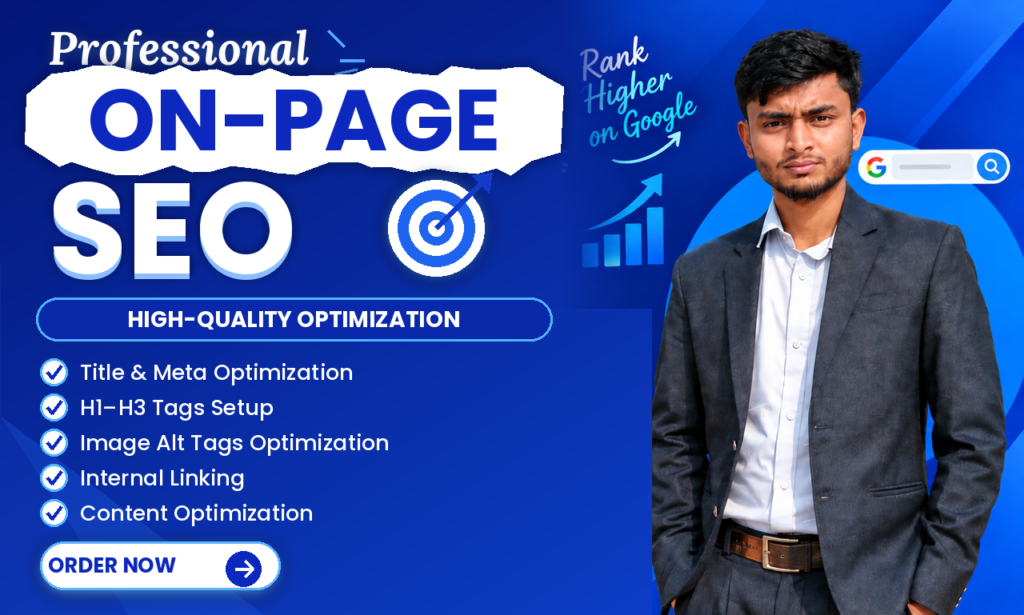
On-page SEO improves individual website pages. It helps search engines and visitors understand the content.
Important on-page elements include:
- SEO titles.
- Meta descriptions.
- Heading structure.
- Focus keywords.
- Image alt text.
- Internal links.
- Readable content.
- Descriptive URLs.
Place the primary keyword naturally in important areas. Avoid repeating it unnecessarily.
Write a useful title that accurately describes the page. Create a clear meta description that encourages relevant visitors to click.
Use one clear H1 heading for the main topic. Organize supporting information with H2 and H3 headings.
Internal links connect related pages. They help visitors discover more information. They also help search engines understand relationships between pages. SEO Full Article
Off-Page SEO
Off-page SEO includes activities outside your website. These activities can improve website reputation and visibility.
Backlinks are links from other websites to your website. Relevant and trustworthy backlinks can support SEO performance. SEO Full Article
However, not every backlink is valuable. Links from unrelated or spammy websites may create risks.
Useful off-page SEO activities include:
- Creating helpful resources.
- Building professional relationships.
- Publishing relevant guest articles.
- Participating in suitable industry communities.
- Earning natural editorial links.
- Promoting useful website content.
Avoid buying large numbers of low-quality backlinks. Focus on relevance, trust, and natural link growth.
Technical SEO
Technical SEO improves the technical foundation of a website. It helps search engines access and understand important pages. SEO Full Article
Important technical SEO areas include:
- Website speed.
- Mobile usability.
- HTTPS security.
- XML sitemap.
- Robots.txt configuration.
- Canonical tags.
- Redirect management.
- Structured data.
- Crawlability and indexability.
A technically healthy website creates a better foundation for other SEO activities.
Local SEO
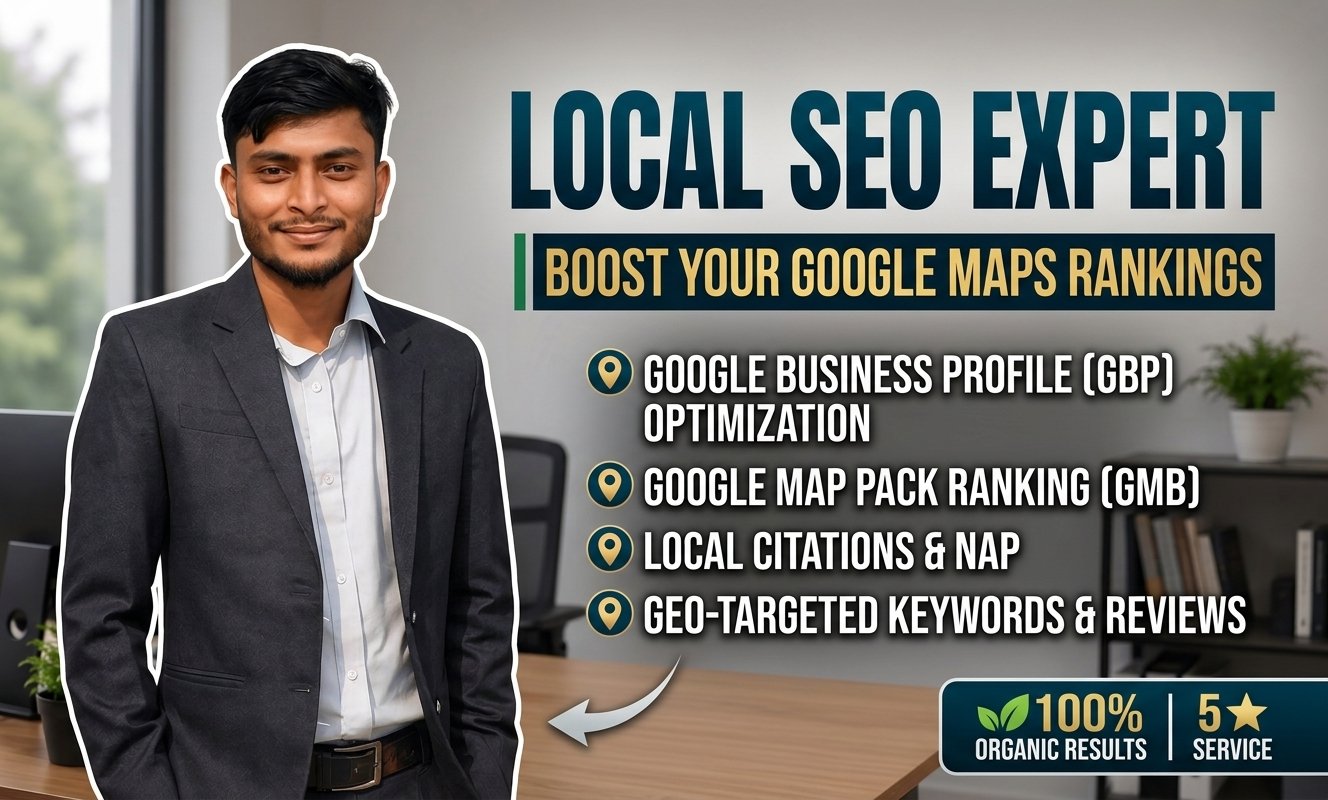
Local SEO helps businesses appear in location-based searches. It is useful for shops, restaurants, agencies, and service providers.
Google Business Profile is an important part of local SEO. Businesses can share their address, phone number, services, photos, and opening hours.
Important local SEO activities include:
- Completing business information.
- Selecting relevant business categories.
- Adding accurate services.
- Publishing useful updates.
- Collecting genuine customer reviews.
- Maintaining consistent business details.
- Creating location-specific website content.
For example, a barber shop can target relevant searches in its service area. Clear business information helps customers understand where it operates.
SEO Full Article: Keyword Research Strategy
Keyword research identifies the words and phrases people use in search engines. It helps website owners understand audience needs.
Start by identifying your website topic. Then create a list of relevant search terms.
Consider these keyword types:
Short-tail keywords: These are broad phrases with general meanings. Examples include SEO, shoes, and restaurants.
Long-tail keywords: These are more specific search phrases. Examples include affordable SEO services for small businesses.
Informational keywords: Searchers want answers or explanations. Examples include how SEO works.
Commercial keywords: Searchers compare products or services before purchasing. Examples include best SEO tools for beginners.
Transactional keywords: Searchers are ready to take action. Examples include hire an SEO expert.
How to Select the Right Keywords
Do not select keywords using search volume alone. Consider relevance, competition, and search intent.
Check these factors:
- Search volume shows estimated search demand.
- Keyword difficulty estimates ranking competition.
- Search intent explains what users want.
- SERP analysis shows existing ranking pages.
- Business relevance connects keywords with your goals.
A low-competition keyword may be useful for a new website. However, it must also match the website’s topic.
Use Google Keyword Planner, Google Trends, and Search Console for research. Some advanced platforms offer additional keyword metrics.
SEO Full Article: Understanding Search Intent
Search intent describes the reason behind a search query. Understanding it helps you create the right content format.
There are four common search intent categories.
Informational intent: Users want to learn something. They may search for definitions, guides, or instructions.
Navigational intent: Users want to visit a particular website or page. They may search for a company name.
Commercial investigation: Users compare options before making a decision. They may read reviews and product comparisons.
Transactional intent: Users want to purchase, book, download, or contact a business. SEO Full Article
Match your content with the user’s purpose. A detailed guide may suit an informational query. A service page may suit a transactional query.
Creating SEO-Friendly Content
High-quality content should answer real questions. It should also provide useful information that visitors can understand. SEO Full Article
Before writing, identify the target audience. Understand their problems, questions, and expectations.
Use a clear structure with descriptive headings. Keep paragraphs focused on one main idea.
Helpful content usually includes:
- A clear introduction.
- Accurate explanations.
- Practical examples.
- Relevant supporting information.
- Useful images when appropriate.
- Trusted references when needed.
- A helpful conclusion.
Avoid writing only to increase word count. Every section should offer meaningful value.
Content Structure and Readability
A good article should be easy to scan. Use short paragraphs and descriptive headings.
Keep sentences simple whenever possible. Explain difficult concepts using practical examples.
Use transition words to connect ideas. Words such as however, therefore, additionally, and for example improve flow.
Avoid repeating the same sentence structure. Use natural language and maintain a consistent tone.
AEO: Answer Engine Optimization
Answer Engine Optimization focuses on making content easy to understand and use in answer-based search experiences.
Start important sections with direct answers. Then explain the topic with supporting details.
For example, a section titled “What Is Technical SEO?” should answer the question immediately.
Use descriptive headings and clear definitions. Include relevant questions that your audience commonly asks.
FAQ sections can help organize useful answers. However, adding FAQs does not guarantee special search-result placement.
GEO: Generative Engine Optimization
Generative Engine Optimization focuses on making information clear and useful for AI-powered search experiences.
Publish original explanations and accurate information. Support important claims with trustworthy sources.
Use clear entity names, definitions, and contextual details. Explain how different topics connect with each other.
For example, an SEO article can explain the relationship between crawling, indexing, and ranking.
Keep business information consistent across relevant platforms. Make your website content easy to understand and verify.
There is no guaranteed method for appearing in every AI-generated answer. Focus on quality, accuracy, and usefulness.
SEO Full Article: On-Page Optimization Checklist
On-page optimization improves the quality and structure of individual pages.
Use this checklist before publishing:
- Select one primary focus keyword.
- Write a relevant SEO title.
- Create a useful meta description.
- Add a clear H1 heading.
- Organize information with H2 and H3 headings.
- Include the keyword naturally.
- Add relevant internal links.
- Optimize image file names and alt text.
- Use a readable URL.
- Check mobile readability.
- Review grammar and spelling.
- Confirm that the content answers search intent.
Do not force keywords into every heading. Readability and relevance should remain priorities.
SEO Tools for Website Optimization
SEO tools help website owners research, monitor, and improve performance. Different tools support different tasks.
Google Search Console
Google Search Console provides information about search performance and indexing. It helps website owners identify technical and search visibility issues.
You can review clicks, impressions, queries, and average positions. You can also inspect individual URLs.
Google Analytics
Google Analytics helps measure website traffic and user activity. It provides information about visitor behavior and engagement.
Use it to understand which pages attract visitors. Compare traffic sources and important conversion actions.
Google Keyword Planner
Keyword Planner helps users discover keyword ideas. It also provides estimated search demand.
It is useful for building an initial keyword list. Search volume estimates may vary from other platforms.
Rank Math SEO
Rank Math is a WordPress SEO plugin. It helps manage titles, descriptions, sitemaps, and other optimization settings.
Its content analysis provides recommendations. However, a high plugin score does not guarantee higher rankings.
Other SEO Platforms
Ahrefs, Semrush, and similar platforms offer advanced research features. These may include backlink analysis, keyword research, and competitor analysis.
Many advanced features require paid subscriptions. Beginners can start with free tools and learn the basic processes first.
SEO Full Article: Website SEO Review
An SEO review evaluates a website’s current optimization. It helps identify strengths, weaknesses, and improvement opportunities.
A proper review should examine several areas.
Content review: Check whether pages provide useful and relevant information. Identify thin, outdated, or duplicate content.
Keyword review: Check whether target keywords match page topics and search intent. Find relevant keyword opportunities.
Technical review: Inspect indexing, crawlability, mobile usability, and website performance.
Backlink review: Examine backlink relevance and quality. Identify suspicious patterns that may require attention.
Local review: Check business information, categories, services, and customer reviews.
After reviewing the website, prepare a prioritized action plan. Fix important problems before focusing on minor improvements.
Common SEO Mistakes to Avoid
Many website owners make mistakes that reduce their optimization quality. Understanding these problems can help prevent wasted effort.
Keyword Stuffing
Keyword stuffing means using keywords unnaturally. It makes content difficult to read.
Use the primary keyword where it fits naturally. Include related terms when they improve meaning.
Duplicate Content
Duplicate content creates multiple pages with similar information. It can confuse visitors and search engines.
Create original content for each important page. Use canonical tags when appropriate.
Ignoring Mobile Users
Many people browse websites using smartphones. Therefore, mobile usability is important.
Use responsive layouts and readable font sizes. Make navigation simple and buttons easy to use.
Poor Internal Linking
Pages without useful internal links may be difficult to discover. Visitors may also miss related information.
Connect relevant pages using descriptive anchor text. Avoid adding links that do not help readers.
Buying Spammy Backlinks
Large numbers of irrelevant backlinks do not create a reliable SEO strategy. Some link-building practices may violate search engine spam policies.
Earn links through useful content and genuine relationships. Review suspicious backlink patterns carefully.
SEO Strategy for Small Businesses
Small businesses need an SEO strategy that matches their goals and resources.
First, identify the main services or products. Then research relevant keywords for each offering.
Create separate pages for important services. Explain what each service provides and whom it helps.
For local businesses, complete the Google Business Profile. Keep contact details and business information accurate.
Publish helpful articles that answer customer questions. Connect these articles with relevant service pages.
Measure progress using Search Console and Analytics. Review results regularly and improve pages based on real data.
SEO takes time. Results depend on competition, website history, content quality, and other factors.
SEO Full Article: Professional SEO Services
Professional SEO services help businesses improve their organic search strategy. An SEO specialist may research keywords, optimize pages, and review technical issues.
Common services include:
Local SEO: Improving local visibility and business profile information.
On-Page SEO: Optimizing page content, headings, metadata, and internal links.
Off-Page SEO: Supporting website authority through relevant and natural link-building activities.
Technical SEO: Identifying website issues related to crawling, indexing, and performance.
WordPress SEO: Improving WordPress website structure and optimization settings.
Before hiring a provider, review their experience and process. Ask for clear deliverables and realistic expectations.
Avoid providers who promise guaranteed rankings. Search engine positions cannot be guaranteed through ordinary SEO services.
How to Measure SEO Performance
Measuring performance helps you understand whether your strategy is working.
Track important metrics regularly.
Organic clicks: The number of clicks received from organic search results.
Impressions: How often website pages appear in search results.
Click-through rate: The percentage of impressions that result in clicks.
Average position: An estimated average ranking position for selected queries.
Conversions: Important actions completed by visitors, such as inquiries or purchases.
Do not judge SEO using one metric alone. A website may receive more impressions without receiving more customers.
Connect performance data with business goals. Focus on qualified traffic and meaningful actions.
SEO Full Article: Future of Search Engine Optimization
Search technology continues to change. User expectations and search experiences also develop over time.
Artificial intelligence is influencing how people discover information. Search experiences may include summaries, conversational answers, and additional sources.
However, useful website content remains important. Businesses should provide original information and clear explanations.
Mobile usability, website accessibility, and content quality also deserve attention.
Voice search encourages businesses to understand conversational queries. Clear answers can help users find relevant information.
Structured data can describe certain page elements. It helps supported search systems interpret information.
No single trend replaces the fundamentals. Build a technically accessible website and publish helpful content.
Frequently Asked Questions About SEO
What Is SEO?
SEO is the process of improving website visibility in organic search results. It includes content optimization, technical improvements, and relevant link-building activities.
How Long Does SEO Take?
SEO results vary between websites. Competition, website condition, content quality, and resources can affect progress.
Some improvements may appear sooner. Strong and consistent results often require ongoing work.
Is SEO Free?
Organic search traffic does not require paying for each click. However, SEO requires time, knowledge, and effort.
Businesses may also invest in tools, content, or professional services.
Can Beginners Learn SEO?
Yes. Beginners can learn SEO through practice and reliable educational resources.
Start with keyword research, on-page optimization, and Google Search Console. Then learn technical and off-page SEO.
Does WordPress Need SEO?
WordPress websites benefit from proper SEO configuration. Important areas include page titles, metadata, site structure, speed, and indexing.
SEO plugins can make some tasks easier. They do not replace a complete SEO strategy.
What Is the Difference Between AEO and SEO?
SEO focuses on improving visibility in search engines. AEO focuses on presenting information clearly for answer-based experiences.
Both approaches benefit from accurate and helpful content.
What Is the Difference Between GEO and SEO?
SEO improves organic search visibility. GEO focuses on making information useful and understandable for generative AI experiences.
They share important principles, including quality, clarity, and trustworthy information.
Conclusion: SEO Full Article
SEO is an ongoing process that improves website visibility and user experience. It combines keyword research, content quality, technical health, and relevant backlinks.
Start with a clear strategy. Understand your audience and create content that answers their questions.
Improve important pages and monitor their performance. Fix technical problems and build relevant internal links.
Avoid shortcuts and unrealistic ranking promises. Focus on sustainable improvements and genuine user value.
This SEO Full Article provides a foundation for understanding modern search optimization. Apply these methods consistently and keep learning as search technology develops.
About the Author
Abu Omaer Limon is an SEO specialist from Bangladesh. He focuses on Local SEO, On-Page SEO, Off-Page SEO, Technical SEO, and WordPress SEO.
His work includes keyword research, website optimization, content improvements, and SEO audits. He aims to help businesses improve their online visibility through practical SEO strategies.